

From a One-Room Home to CEO: What Jatt Prabhjot’s New Brand Says About the Future of Indian Creators
For 28 years, Jatt Prabhjot lived with his family in a single room tucked behind his father’s small general store. It wasn’t just a home; it was an overflow storage unit, surrounded by boxes of atta, assorted snacks, and the heavy, familiar scent of daily survival.
Quick Summary
- Travel vlogger Jatt Prabhjot has officially transitioned to CEO with the launch of his premium travel bag brand, Lugare.
- His journey began in a one-room home, balancing a corporate job and managing a family store before taking a risky ₹5.5 lakh loan to pursue YouTube.
- Lugare represents a shift from standard merchandise to solving genuine problems, born out of Prabhjot’s real-life friction carrying gear across the country.
- Indian creators are moving away from fragile, ad-dependent models to become founders, building sustainable wealth through owned assets and businesses.

Between 2011 and 2017, he played the classic middle-class balancing act: working a corporate job by day, managing the store counter by night. Like half the country, he just wanted to give his parents a slightly easier life.
When he decided to take YouTube seriously, the stakes were terrifying. To buy his first Kawasaki superbike and start filming travel vlogs, he reportedly borrowed ₹5.5 lakh from a friend.
Frankly, pura plan thoda jugaad aur umeed pe chal raha tha.
It was the kind of financial leap that usually triggers a quiet, collective panic attack in an Indian household.
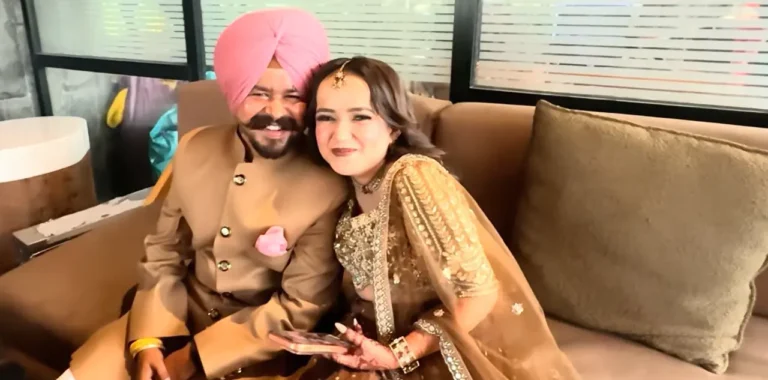
Fast forward to today. The guy who used to stress over making ends meet just launched Lugare, a premium travel bag brand, at a massive offline event swarming with thousands of fans. He even surprised his wife, Sahiba, with a new motorcycle on stage.
But Lugare is more than just a sweet personal milestone. It’s a very clear signal of a much larger shift happening across India’s creator economy. Creators are quietly realizing that views are great, but ownership is better.
Why This Feels Different
The internet is currently drowning in creator merchandise. Oversized hoodies, mugs with forced catchphrases—it’s all getting a bit exhausting.
Lugare feels different because it isn’t a random cash grab; it’s directly tied to the exact friction Prabhjot has documented for years. Millions have watched him strap gear onto bikes, fighting the everyday chaos of carrying cameras, laptops, and riding gear across the country. Instead of slapping his name on a random energy drink, he built something born out of his own life.
This points to the new golden rule of the creator economy: The smartest creator businesses don’t sell products. They solve problems.
Why Are Indian YouTubers Launching Their Own Brands?”
Not too long ago, the dream was simple: get views, collect AdSense, maybe buy a nice car.
Today, that model is incredibly fragile. Ad rates tank, algorithms change their minds, and audiences grow up. The new pipeline looks different:
Content builds a community.
Community builds trust.
Trust builds a customer base.
Relying entirely on a platform you don’t own is a gamble. Creators now want to build assets that make money even when they aren’t holding a camera.
Audience Trust and Its Limits
Traditional legacy brands burn crores in marketing just to convince people they aren’t going to scam them. Creators spend years building that trust for free, vlog by vlog. That kind of intimacy means when a creator launches a product, they get to skip the hardest part of business—customer acquisition.
But here’s the reality check. A loyal audience will crash your website on launch day out of sheer love, but it won’t save a mediocre product.
Indian consumers will hype you up in the comments, par jab wallet nikalne ki baari aati hai, they want absolute, undeniable value.
They’ll support you, but they expect the zipper on a ₹4,000 bag to actually last. This is why audience-product fit is brutal but necessary. A travel creator making travel gear? Makes sense. A fitness influencer selling sugar-loaded gummies? Not so much.
The Era of the Creator-Founder
Prabhjot isn’t doing this in a vacuum. He’s part of a growing wave of Indian creators turning into founders and investors:
is building consumer-focused ventures.
have pushed heavily into education and tech.
launched her own clothing line, Label DKI.
turned a podcast into a media, talent, and business empire.
And it’s not just physical goods. Many are quietly building digital businesses—online courses, software, and paid communities—where the overhead is low and the margins are incredibly high. They are monetizing their specific knowledge, selling it globally without worrying about shipping logistics.
The Next Generation
The first generation of Indian creators figured out how to go viral.
The second generation figured out how to negotiate brand deals.
This current generation? They are reading term sheets, managing supply chains, and building actual companies.
The creators who survive the next decade won’t necessarily be the ones with the loudest thumbnails. They’ll be the ones who understand their audience deeply enough to build things they genuinely need.
Because in today’s digital world, content creates attention. But businesses build the kind of quiet, lasting wealth that changes a family's trajectory forever.
Disclaimer: This article discusses the business models and revenue strategies within the creator economy based on publicly available information and analytical observation. It does not constitute formal financial or investment advice. Business ventures carry inherent risks, and individual success may vary.